
Wisdom Tooth Extraction in Edmondson Park
What are wisdom teeth and why do so many people need them removed?
Wisdom teeth are the last teeth to develop, usually appearing between 17 and 25. Most people do not have enough room in their jaw for wisdom teeth to erupt properly. When space is insufficient, they become impacted, meaning they grow at an angle, push against neighbouring teeth, or become partially or fully trapped beneath the gum.
An impacted wisdom tooth cannot be cleaned effectively. It creates a high risk of decay, infection, damage to adjacent teeth, and cyst formation in the surrounding bone.
At Ed Square Dental, we assess every case individually with X-rays and give you an honest recommendation. Not every wisdom tooth needs to be removed, but many do.
Is your wisdom tooth behind any of these problems?
Wisdom tooth problems are not always obvious and the connection between a wisdom tooth and your symptoms is not always immediately clear.
SYMPTOM CHECKLIST
- Persistent aching or throbbing pain at the back of the jaw
- Swelling, redness, or tenderness in the gum near the back teeth
- Waking with a dry mouth, sore throat, or headache in the morning
- Waking repeatedly during the night, often to urinate
- Difficulty concentrating, poor memory, or mood changes during the day
- High blood pressure that is difficult to control
- Your partner has noticed you stop breathing during sleep
Some impacted wisdom teeth cause no pain at all, yet are silently damaging neighbouring teeth and bone. Problems found early are always simpler and less costly to fix. If you have any doubt, book an assessment.
Four situations where wisdom tooth removal is typically recommended
Not every wisdom tooth needs to come out. But in these four situations, removal is almost always the right call.
Pain or Pressure at the Back of the Mouth
Pain at the very back of the jaw, often radiating toward the ear or throat, is a common sign that a wisdom tooth is erupting or impacting. This type of pain can be constant and persistent. It is rarely a problem that resolves on its own.
Swollen or Infected Gum Around the Wisdom Tooth
When a wisdom tooth is partially through the gum, the flap of gum tissue around it traps food and bacteria. This causes a painful condition called pericoronitis. Symptoms include swelling, bad taste, difficulty opening the mouth fully, and fever. Pericoronitis generally cannot be resolved without removing the tooth.
Difficulty Cleaning the Area Properly
A wisdom tooth that sits at an angle is almost impossible to clean properly no matter how well you brush and floss. The result is a significantly higher risk of decay, not only in the wisdom tooth itself but in the neighbouring second molar too.
Damage or Crowding Affecting Nearby Teeth
A wisdom tooth pressing against the neighbouring tooth can cause structural damage in a tooth that was previously healthy. In some cases, wisdom tooth pressure can also cause shifting and crowding of the front teeth, undoing years of orthodontic work.
The real cost of ignoring a problem wisdom tooth
Wisdom teeth do not get better on their own. Leaving a problem wisdom tooth in place allows the damage to progress: decay spreads, infection deepens, and neighbouring teeth that could have been saved become compromised.
A wisdom tooth removal at 20 is a straightforward procedure lasting 30 to 60 minutes. The same procedure at 40 is significantly more complex. Bone is denser, roots are more developed, healing takes longer, and the risk of complications is higher.
If your wisdom tooth has been flagged as a problem, please do not wait. The cost of acting now is always less than the cost of acting later.
Your wisdom tooth removal experience at Ed Square Dental, step by step
We know the anticipation is often worse than the procedure itself.
Here is exactly what happens when you come to Ed Square Dental for wisdom tooth removal.
We examine the tooth, take digital X-rays to assess the position and roots, and confirm the right course of action. We explain our findings clearly and answer any questions before proceeding.
We administer local anaesthetic to fully numb the area before starting. We take extra care with this step. If you feel anything at any point during the procedure, let us know immediately and we will give you more anaesthetic.
Using specialised instruments, we carefully loosen and remove the wisdom tooth. Depending on the position and complexity, the tooth may be removed in sections. Most extractions are completed in 20 to 60 minutes.
The socket is thoroughly cleaned. Stitches are placed where needed to promote clean healing and reduce recovery time.
Before you leave, we walk you through your aftercare instructions in full. We explain what is normal, what to watch for, what to eat and avoid, and give you our contact details if anything concerns you during recovery.
Worried about the procedure? Here is what we want you to know.
Wisdom tooth extraction has an undeserved reputation. With proper anaesthetic and experienced hands, most patients find the procedure far more manageable than they expected.
At Ed Square Dental, we never rush. We check with you throughout and stop immediately if you need a break.
IV Sedation available:
For patients who feel particularly anxious about wisdom tooth removal, IV sedation may be available to help you feel deeply relaxed during the procedure. You will remain responsive, but many patients remember very little afterwards.
Our dentists will discuss your medical history, treatment needs and suitability before recommending IV sedation.
After your extraction: what to expect during recovery
Some swelling, mild bleeding, and discomfort in the first 24 to 48 hours after extraction is completely normal. Swelling peaks at around 48 hours and then subsides. Most patients manage comfortably with over-the-counter pain relief.
AFTERCARE GUIDELINES
- Bite firmly on the gauze pad for 30 to 45 minutes after the procedure to control bleeding
- Take pain relief as directed, starting before the anaesthetic wears off (30 minutes to 45 minutes off)
- Eat soft foods for the first 2 to 3 days such as soup, yoghurt, mashed potato, scrambled eggs
- Avoid hot drinks, alcohol, smoking, and straws for at least 24 hours as these can dislodge the blood clot
- Do not rinse vigorously on the day of the extraction. Gentle saltwater rinses from day 2 are fine
- Avoid strenuous exercise for 24 to 48 hours
- Sleep with your head elevated for the first few nights to reduce swelling
- Contact us immediately if you experience increasing swelling, fever, or foul taste after day 3
Why local families choose
Ed Square Dental?
At Ed Square Dental, we believe exceptional dentistry goes beyond great clinical results — it’s about how you feel every step of the way.
Our locally run practice is built on genuine care, the latest technology, and a team that truly listens.
Locally owned & operated
A family-run practice with deep roots in the Edmondson Park community. We genuinely care about our neighbours’ health and wellbeing.
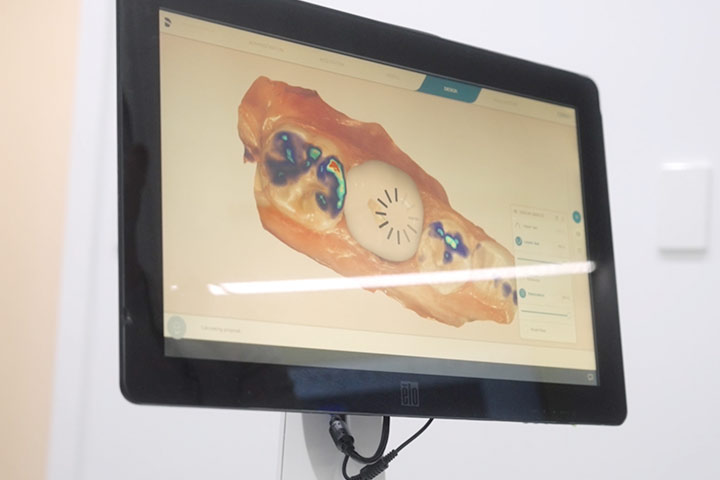
Advanced dental technology
We continuously invest in the latest equipment so every patient receives accurate diagnoses and the highest standard of care.

Gentle, caring approach
We understand visiting the dentist can feel overwhelming. Our warm team makes every appointment calm and stress-free.
Flexible payment options
Quality dental care should be accessible. We accept all major health funds plus Afterpay, ZipPay, and Denticare plans.
Convenient location
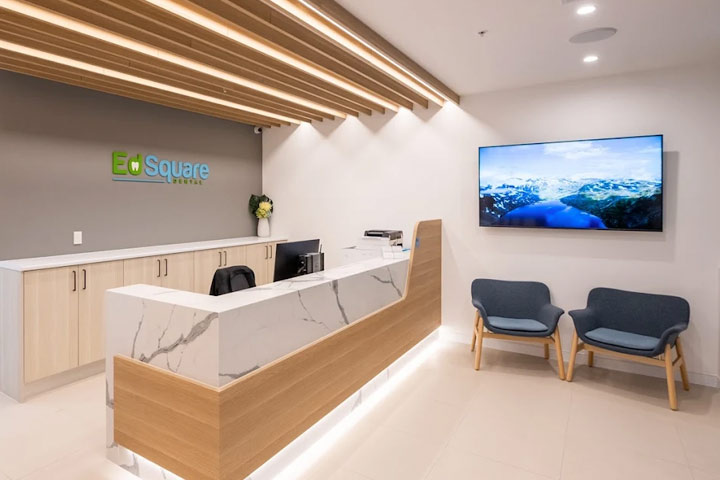
In the heart of Ed Square Town Centre, open Monday to Saturday with late Thursday hours.
See why patients recommend us
We’re proud to be one of Edmondson Park’s most trusted dental practices.
Here’s what our patients have to say.
EXCELLENT Based on 188 reviews
 Posted on Google
 ameen alamoudi09/06/2026"Dr. Laith is very professional! Did my dental scaling with him and he did a fantastic job. Quick, clean, and comfortable."Posted on Google
 Karla Jones29/05/2026Great team, super helpful. They went above and beyond to help me- from the friendly reception staff to the compassionate care of the dental assistants/nurses and the dentist. Can’t rate them highly enough.Posted on Google
 Franchesca Winchester28/04/2026Everyone is super knowledgeable and helpful, Rachel at the reception desk has been awesome 🩷Posted on Google
 M Rob23/03/2026Dr Campbell is fantastic. Bree is also great. A perfect team. Thanks a lot, ladies!Posted on Google
 Angela Stephenson06/03/2026Such great service from the receptionist and the team at Ed Square dental when I was hunting for dental gauze for my son's braces until I could get in to see an orthodontist. Thank you for your kindness. Will definitely be back to try out their services.Posted on Google
 Daniel Nutley26/02/2026These guys are the best! Absolutely the best dentist I have been to. Right from the first walk-in, the reception staff are kind and friendly, professional, and very accommodating. Excellent advice and reasonable prices. I highly recommend.Posted on Google
 Tim Growe28/11/2025Let's be honest, no one likes going to the dentist. But Alex definitely makes the experience as pleasant as a visit to the dentist can be! Everything is very clean and new, high-tech and professional. Excellent service from everyone working there - highly recommended!
Frequently Asked Questions
Does wisdom tooth removal hurt?
The procedure is performed under local anaesthetic — you will feel pressure and movement but no pain during the extraction itself. After the anaesthetic wears off, some soreness and swelling are expected and are completely normal. Most patients manage comfortably with over-the-counter pain relief for the first two to three days.
How long does wisdom tooth removal take?
A straightforward erupted wisdom tooth can be removed in as little as 15 to 20 minutes. An impacted wisdom tooth requiring a surgical approach typically takes 30 to 60 minutes. We will give you a realistic time estimate at your assessment appointment based on your specific case.
Do I have to get my wisdom teeth removed?
Not necessarily. Some wisdom teeth erupt fully and cause no problems — these can be monitored and left in place. Removal is recommended when wisdom teeth are impacted, causing infection, damaging adjacent teeth, or are likely to cause problems based on their position and trajectory. We assess each case individually and only recommend removal when it is genuinely the right call.
What is dry socket and how do I avoid it?
Dry socket occurs when the blood clot that forms in the extraction socket is dislodged or dissolves before the socket has healed. It causes significant pain starting around day 3 and is the most common post-extraction complication. To avoid it: do not smoke, do not use straws, do not rinse vigorously, and avoid hot drinks for at least 24 hours after extraction. If you develop dry socket, call us — it is very treatable when addressed promptly.
Can I have all four wisdom teeth removed at once?
Yes — it is often preferable to remove all problematic wisdom teeth in a single appointment to minimise the total number of procedures and recovery periods. This depends on the complexity of each tooth and your overall health. Our dentists will advise on the best approach at your consultation.
Is wisdom tooth removal covered by health insurance?
Wisdom tooth extraction is generally covered under major dental extras with most private health funds, subject to waiting periods and annual limits. For surgically complex cases, there may be a gap. We process all health fund claims on the spot via HiCaps and will advise you on your entitlements before your procedure.
What should I eat after wisdom tooth removal?
Stick to soft, cool or lukewarm foods for the first 2 to 3 days — yoghurt, smoothies (no straw), soup, mashed potato, scrambled eggs, and similar foods. Avoid hot, spicy, crunchy, or chewy foods that could irritate the socket or dislodge the clot. You can gradually return to your normal diet as healing progresses and comfort allows.
I am nervous about the procedure. What can you do to help?
We treat anxious patients regularly and take dental anxiety seriously. Please mention your anxiety when you book and when you arrive — our team will take extra time with you, explain every step before it happens, and check in with you throughout the procedure. We will not rush, and we will not start until you feel ready.
Flexible payment options
Quality dental care should be accessible to everyone. We accept all major health funds and offer a range of flexible payment options to make your treatment as affordable as possible, with no compromise on quality.





Major health funds accepted
We accept all private health insurance providers and process your claim on the spot via HiCaps.