
We always explore ways to save your tooth first
A natural tooth is usually worth preserving whenever it can be restored safely. Before recommending dental extraction, our dentists assess the tooth, surrounding gums and bone using a clinical examination and digital X-rays.
Depending on the condition of the tooth, treatment such as a filling, dental crown or root canal therapy may still be possible.
When a tooth is too badly damaged or infected to recover, removing it can relieve discomfort, prevent recurring infection and protect the surrounding teeth. We will explain our findings clearly so you understand why extraction has been recommended and what your options are afterwards.
When might a dental extraction be needed?
Dental extraction may be recommended when keeping a tooth could affect your oral health or when it can no longer be restored successfully.
Severe Tooth Decay
When decay has damaged too much of the tooth for a filling, crown or root canal treatment to provide a reliable result, extraction may be the safest option.
Advanced Gum Disease
Gum disease can weaken the bone and tissues supporting a tooth. If the tooth becomes severely loose or repeatedly infected, removal may help protect the surrounding area.
A badly fractured tooth
A tooth that has broken beneath the gum line may not have enough healthy structure remaining to support a restoration.
Dental infection or abscess
If an infection has caused extensive damage to the tooth or surrounding bone, extraction may be needed to remove the source of the problem.
Orthodontic treatment
Occasionally, a tooth may be removed to create room for orthodontic treatment and support better tooth alignment.
A retained baby tooth
A baby tooth that does not fall out naturally may need to be removed if it is preventing the adult tooth from coming through properly.
Are you putting off a tooth that needs attention?
Most patients who come to us for an extraction have been putting off dealing with the tooth for longer than they should. If any of these sound familiar, it is time to come in.
PATIENT SELF-IDENTIFICATION
- “I have a tooth that has been painful on and off for months. I keep taking painkillers.”
- “Part of my tooth broke off. It does not hurt much but I know something is wrong.”
- “My dentist told me a tooth needed to come out but I have been avoiding booking.”
- “I have a loose tooth and the gum around it keeps getting sore and infected.”
- “There is an old tooth with a big filling that I know is failing. I am hoping it holds on.”
- “I have had pain and swelling in my jaw that comes and goes.”
A tooth that needs extraction but does not receive it will not stay stable.
It will continue to harbour bacteria, cause repeated infections, and put pressure on neighbouring healthy teeth.
The longer extraction is delayed, the more complex the procedure often becomes.
Simple vs Surgical Extraction
The type of extraction you need depends on the tooth’s position, root shape and how much of it remains above the gum line.
EXTRACTION TYPE CARDS
Simple Extraction
A simple extraction is usually suitable when the tooth is visible and easily accessible. Once the area is numb, the tooth is gently loosened and removed from its socket.
Surgical Extraction
A surgical extraction may be needed when a tooth has broken beneath the gum, has complex roots or is difficult to access. A small opening may be made in the gum, and the tooth may be divided into smaller sections for careful removal.
What to expect at your dental extraction appointment
The unknown is often scarier than the procedure itself. Here is exactly what happens at an extraction appointment at Ed Square Dental.
We examine the tooth, take digital X-rays, and confirm that extraction is the appropriate course of action. We explain our findings and give you a clear, itemised quote
The tooth and surrounding area are fully numbed before we start. We take our time to make sure you are completely comfortable.
For a simple extraction, the tooth is gently loosened and lifted from the socket, often in just a few minutes. For a surgical extraction, a small incision is made, the tooth is carefully removed in sections where needed, and any sharp.
The socket is thoroughly cleaned following removal. Stitches are placed where required. A gauze pad is applied and you will be asked to bite down gently to support initial clot formation.
Before you leave, we walk you through your aftercare instructions in full. We also discuss your tooth replacement options, so you have a clear understanding of what comes next for your smile.
Recovery after dental extraction
Mild bleeding, tenderness and swelling can be normal during the first few days after a tooth extraction. Most people gradually feel more comfortable as the area begins to heal.
AFTERCARE GUIDELINES
- Bite firmly on the gauze pad for 30 to 45 minutes to control initial bleeding
- Apply an ice pack to the cheek for the first 24 hours
- Eat soft foods for 24 to 48 hours
- Avoid hot drinks, alcohol, smoking, and straws for at least 24 hours
- Do not rinse vigorously on the day of extraction, gentle warm saltwater rinses from day 2 are fine
- Take any prescribed medication as directed and use pain relief as needed
- Avoid strenuous exercise for 24 hours
Dry socket occurs when the blood clot is dislodged from the socket before healing is complete. It causes significant pain starting around day 3 and is the most common post-extraction complication.
If pain is worsening after the first couple of days rather than improving, call us. It is very treatable when addressed early.
After an extraction, what are your options for replacing the tooth?
Leaving a gap after extraction is rarely the best long-term decision. The adjacent teeth will drift.
Bone beneath the gap will shrink. Your bite will change.
Dental Implant
The gold standard replacement. A titanium post is placed in the jawbone, topped with a custom crown that looks and functions exactly like a natural tooth. Preserves bone. It can sometimes be placed at the same appointment as extraction.
Dental Bridge
An artificial tooth anchored to the adjacent natural teeth using crowns on either side. No surgery required. Completed in two appointments. A good option when implants are not suitable or when the adjacent teeth already need crowns.
Why local families choose
Ed Square Dental?
At Ed Square Dental, we believe exceptional dentistry goes beyond great clinical results — it’s about how you feel every step of the way.
Our locally run practice is built on genuine care, the latest technology, and a team that truly listens.
Locally owned & operated
A family-run practice with deep roots in the Edmondson Park community. We genuinely care about our neighbours’ health and wellbeing.
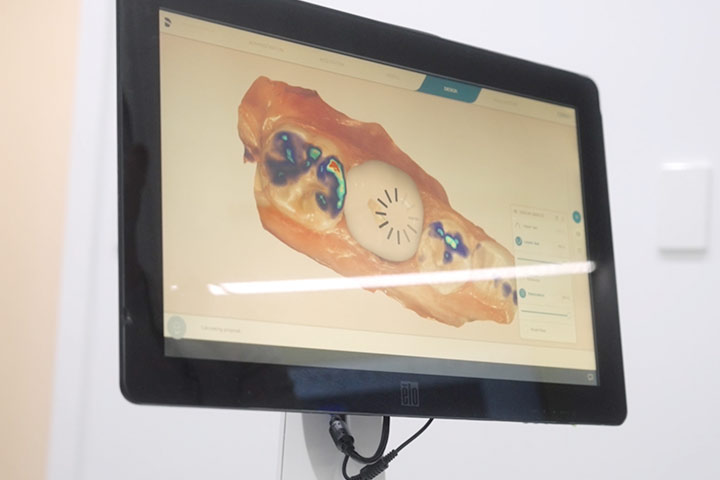
Advanced dental technology
We continuously invest in the latest equipment so every patient receives accurate diagnoses and the highest standard of care.

Gentle, caring approach
We understand visiting the dentist can feel overwhelming. Our warm team makes every appointment calm and stress-free.
Flexible payment options
Quality dental care should be accessible. We accept all major health funds plus Afterpay, ZipPay, and Denticare plans.
Convenient location
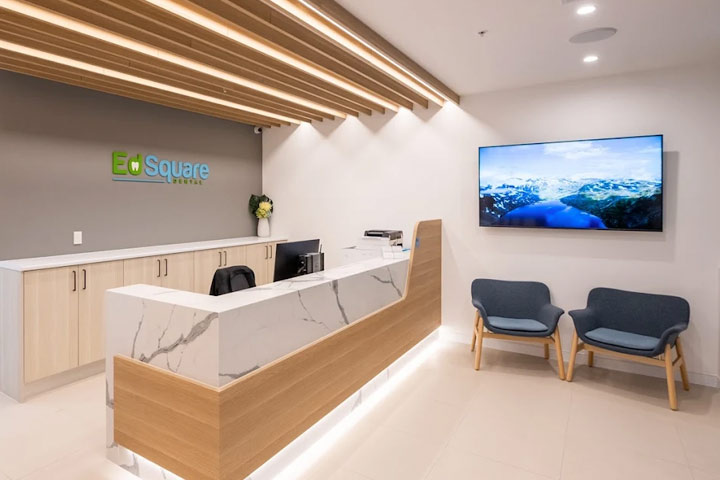
In the heart of Ed Square Town Centre, open Monday to Saturday with late Thursday hours.
See why patients recommend us
We’re proud to be one of Edmondson Park’s most trusted dental practices.
Here’s what our patients have to say.
EXCELLENTTrustindex verifies that the original source of the review is Google. "Dr. Laith is very professional! Did my dental scaling with him and he did a fantastic job. Quick, clean, and comfortable."Posted on GoogleTrustindex verifies that the original source of the review is Google. Great team, super helpful. They went above and beyond to help me- from the friendly reception staff to the compassionate care of the dental assistants/nurses and the dentist. Can’t rate them highly enough.Posted on GoogleTrustindex verifies that the original source of the review is Google. Everyone is super knowledgeable and helpful, Rachel at the reception desk has been awesome 🩷Posted on GoogleTrustindex verifies that the original source of the review is Google. Dr Campbell is fantastic. Bree is also great. A perfect team. Thanks a lot, ladies!Posted on GoogleTrustindex verifies that the original source of the review is Google. Such great service from the receptionist and the team at Ed Square dental when I was hunting for dental gauze for my son's braces until I could get in to see an orthodontist. Thank you for your kindness. Will definitely be back to try out their services.Posted on GoogleTrustindex verifies that the original source of the review is Google. These guys are the best! Absolutely the best dentist I have been to. Right from the first walk-in, the reception staff are kind and friendly, professional, and very accommodating. Excellent advice and reasonable prices. I highly recommend.Posted on GoogleTrustindex verifies that the original source of the review is Google. Let's be honest, no one likes going to the dentist. But Alex definitely makes the experience as pleasant as a visit to the dentist can be! Everything is very clean and new, high-tech and professional. Excellent service from everyone working there - highly recommended!
Why Ed Square Dental for your dental extraction?
We take extraction seriously because it is a permanent decision.
When extraction is the right call, we perform it with precision and care for the surrounding bone, particularly important if you plan to replace the tooth with an implant.
And when it is done, we make sure you leave knowing exactly what to do during recovery and what your options are for what comes next.
Frequently Asked Questions
Does dental extraction hurt?
The procedure is performed under full local anaesthetic, you will feel pressure and movement but no pain during the extraction. Some soreness in the days following is normal and manageable with over-the-counter pain relief. Most patients find it far less uncomfortable than they expected.
How long does a dental extraction take?
A simple extraction typically takes 20 to 30 minutes from start to finish. A surgical extraction, for teeth that are broken, impacted, or have complex roots, typically takes 45 to 60 minutes. We will give you a realistic time estimate before you begin.
How long is recovery after extraction?
Most patients feel significantly better within 24 to 48 hours and return to normal activity quickly. Swelling peaks at around 48 hours and then subsides. Full healing of the socket takes 2 to 4 weeks. We provide full aftercare instructions before you leave.
Is it better to save the tooth or have it extracted?
In the vast majority of cases, saving the tooth is the better outcome. At Ed Square Dental, we always explore alternatives before recommending extraction. Extraction is only recommended when keeping the tooth would cause more harm than removing it or when saving it is not clinically viable.
What happens if I do not get the tooth extracted when advised?
A tooth that needs extraction will not improve on its own. It will continue to harbour bacteria, cause recurring infections, damage adjacent teeth, and erode surrounding bone. Delay also makes eventual extraction more complex and reduces the bone volume available for implant placement later.
Do I need to replace the extracted tooth?
In most cases, yes, especially for molars and premolars that bear chewing load. Leaving a gap allows adjacent teeth to drift and tilt, reduces bone volume, and alters your bite over time. We discuss replacement options at your extraction appointment so you leave with a clear plan.
What is dry socket and how do I avoid it?
Dry socket occurs when the blood clot that forms in the extraction socket is dislodged before healing is complete. It causes significant pain starting around day 3. Avoid smoking, straws, vigorous rinsing, and hot drinks for 24 hours after extraction. If pain worsens rather than improves after the first couple of days, call us immediately.
Is dental extraction covered by health insurance?
Dental extractions are generally covered under major dental extras with most private health funds, subject to waiting periods and annual limits. We process all claims on the spot via HiCaps. Our team will advise you on your specific entitlements at your appointment.
Flexible payment options
Quality dental care should be accessible to everyone. We accept all major health funds and offer a range of flexible payment options to make your treatment as affordable as possible, with no compromise on quality.




Major health funds accepted
We accept all private health insurance providers and process your claim on the spot via HiCaps.